
4 MIN READ
Disconnected tools are a silent tax
Nobody budgets the hours lost moving data between tools that should already be connected. It's the most expensive line item nobody sees.
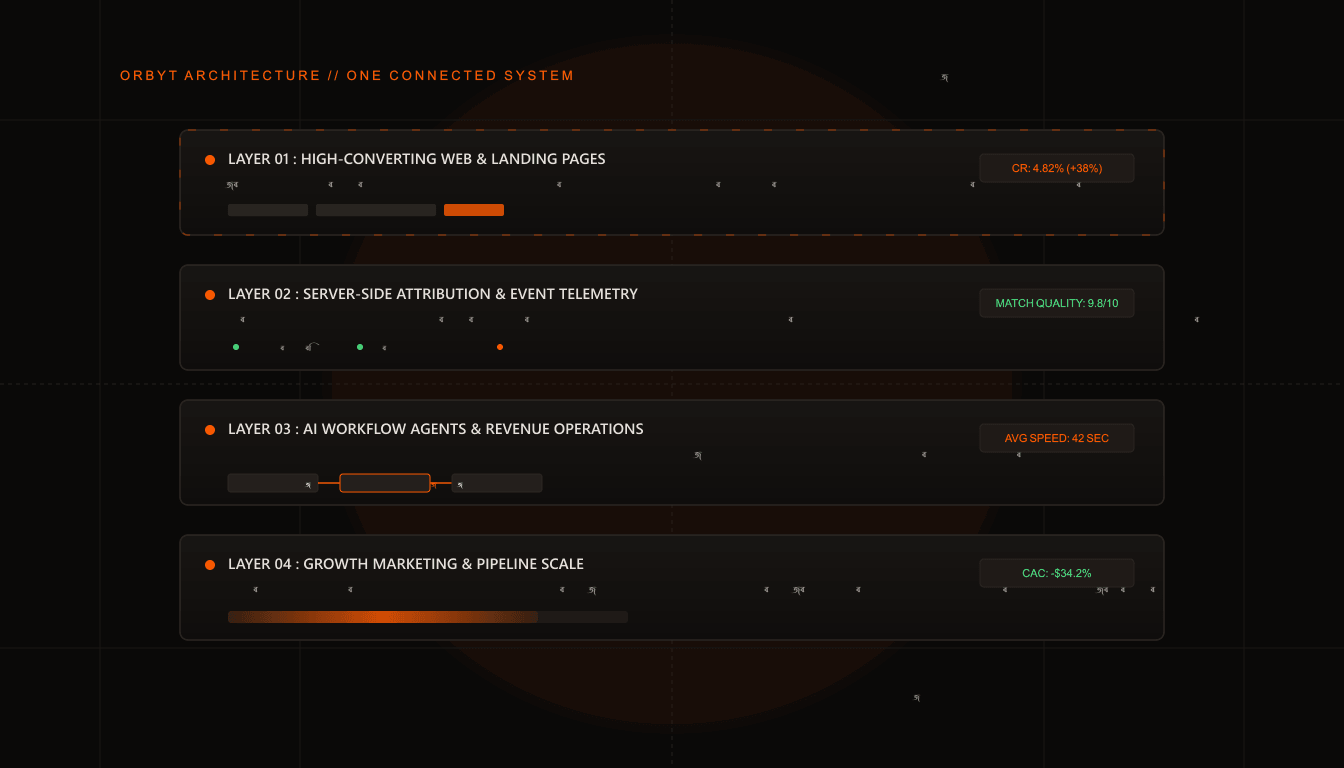
Run a quick experiment this week. Ask your team to write down every time they copy information from one tool into another. Not the dramatic cases, the ordinary ones. The lead from the form into the CRM. The order from the store into the spreadsheet. The number from the dashboard into the Monday meeting deck.
What comes back is usually a quiet shock. Not because any single copy-paste is painful, but because of what they add up to: hours of your most capable people doing the work of a pipe. That's the silent tax. It never appears on a budget, it scales with growth, and it feels like normal because it's been normal for years.
Why smart teams stay disconnected
Nobody chose this. It happened one tool at a time, the way businesses actually grow. A newsletter tool here, a CRM there, a scheduling app somebody loved. Each decision made sense. Each one added a small gap. And gaps don't announce themselves, they just quietly assign themselves to the most organized person on your team.
The other reason is a certain kind of advice: 'just integrate everything'. But integration for its own sake creates its own mess, with twice the failure points. The point was never connected tools. The point is a business where information moves itself, so people can do the work only people can do.
What the tax actually buys you
- Slower leads: the enquiry that arrived on Friday lives in someone's inbox until Monday.
- Bigger errors: every manual copy is a chance for a wrong number, and wrong numbers compound.
- Fragile growth: every new client adds manual work, so scaling feels dangerous instead of exciting.
- Quiet attrition: capable people don't leave because of hard problems. They leave because of pointless ones.
The most expensive software in your business is the space between two tools that don't talk.
You don't fix this with a weekend of Zapier and good intentions. You fix it by mapping the system, finding the three flows that matter most, and connecting those properly, with someone accountable for keeping them healthy. Start with the flow where data gets copied most often. That's where the tax is highest, and that's where the relief will be visible within a month.
Next essay
Most AI strategies are workflow problems