
4 MIN READ
Your tracking is probably lying to you
Duplicate events, missing server-side conversions, attribution gaps. Most ad accounts optimize against bad data, confidently.
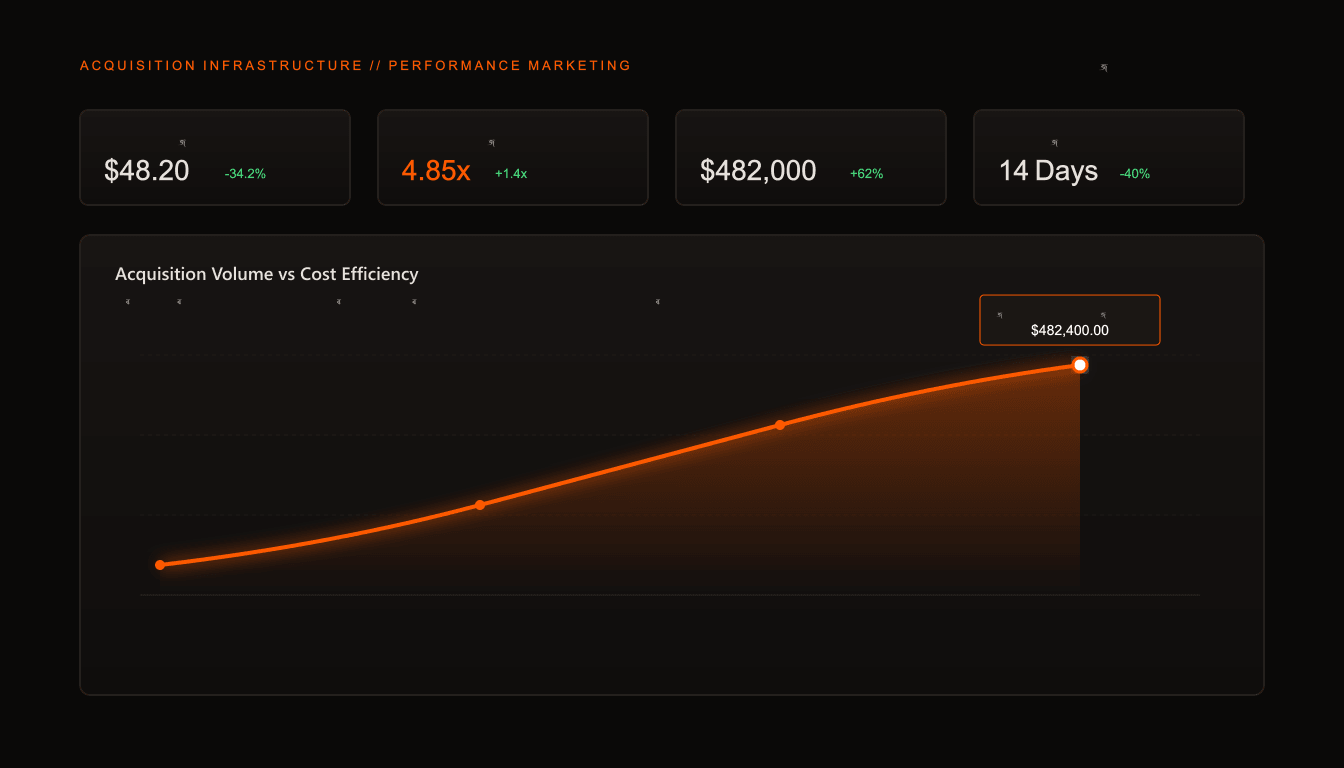
There's a specific feeling that comes with looking at two dashboards that disagree. The ads platform says the campaign works. The CRM says the leads were junk. Both are certain. You're stuck in the middle, paying for whichever story is wrong.
We've audited enough accounts to say this plainly: when tracking breaks, it usually breaks quietly. Nothing crashes. No alert fires. The numbers keep arriving, the graphs keep going up and to the right, and the decisions keep coming. The only problem is that the data underneath is fiction.
The usual suspects
- The same conversion counted twice, once by the browser and once by the server, with nobody reconciling the two.
- A pixel that fires on page load instead of on purchase, because someone tested it once and moved on.
- Form submissions that never became events, so the best leads in the funnel are invisible to optimization.
- Cookie consent swallowing measurement on the browsers that matter most, leaving a biased sample that looks complete.
None of these are exotic. All of them are common. And every one of them teaches your ad platform to chase the wrong people, because optimization is only ever as honest as the signal you feed it.
Why this happens
Tracking breaks because it's owned by nobody. The website gets rebuilt and the tags don't come along. The marketing team installs new scripts and the old ones keep firing. The developer knows, the marketer doesn't, and the founder sees two healthy-looking dashboards. Everyone is doing their job. The system has no owner, so it decays.
Without clean data, every other decision is a guess wearing a dashboard.
What trustworthy looks like
A measurement setup you can trust has three properties. Every important action fires exactly one event, and you can prove it. Server-side conversions back up browser-side ones, so the picture survives browsers getting stricter. And someone owns the map: a short document that says what's tracked, where it flows, and who to ask when something looks off.
That's not a big project. It's a focused one. And it changes the quality of every decision that comes after it, which is why we consider it part of the build rather than a phase two. If you take one thing from this: before you optimize the campaign, make sure the scoreboard is wired to the right game.
Next essay
A landing page is a system, not a page